Crawl Space Insulation St Louis MO
Schedule a free consultation
Achieve Lower Bills and Home Comfort with Effective Crawl Space Insulation
Ever feel that cold draft seeping through your floorboards? Even though all the windows are shut tight, the cold seems to creep into your home anyway.
Have you noticed your energy bills skyrocketing, no matter how smart you try to be about using your heating or cooling system?
These are classic signs of inadequatecrawl space insulation. It makes winters unbearably cold and summers uncomfortably hot, and those are situations neither you nor your wallet enjoy.
Did you know that properly insulating your crawl space can reduce energy bills by up to 20%? At Foam Co, we specialize in energy-efficient crawl space insulation services tailored for homes in St. Louis, MO, and nearby areas. Proper insulation can also prevent issues like standing water in crawl spaces, leading to significant problems if not addressed.
Let’s not forget the invisible horrors lurking under there: chucks of mold and pesky critters nesting for a long stay.
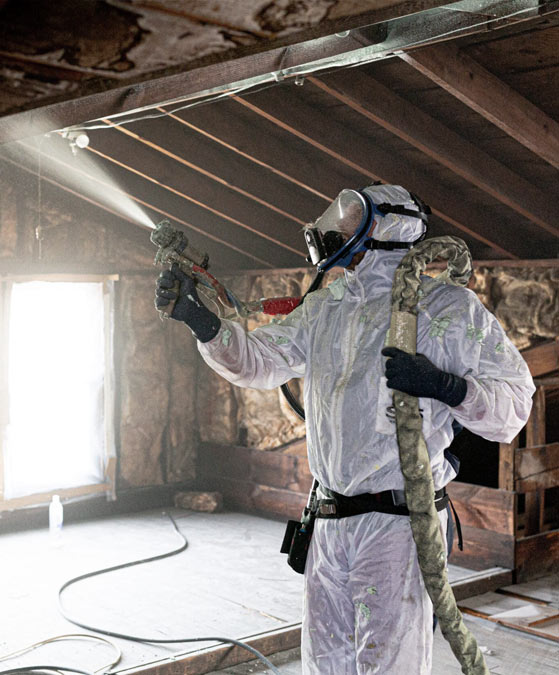
Our team of insulation contractors in St. Louis has mastered crawl spaces. We’re willing and able to get into the tightest areas to do exceptional work. From installing premium insulation pretreated to be mold resistant and a pest repellant, you can’t go wrong with Foam Co.
What can you expect from Missouri’s best insulation company?
A comfortable home with drastically reduced energy bills and none of the foreseeable damage from untreated mold or pests.
Reclaim control over what lies below!
Contact us today, and we’ll promptly schedule a free in-home estimate for crawl space insulation in St. Louis, MO, and nearby areas.
CRAWL SPACE Insulation
A crawl space is a shallow area beneath a home that provides access to plumbing, electrical systems, and structural components. While it might seem like an insignificant part of your home, insulating a crawl space is crucial for several reasons.
Proper insulation helps maintain energy efficiency by preventing heat loss through the floor, which can significantly reduce your energy bills. Additionally, it plays a vital role in preventing moisture-related issues, such as mold and mildew growth, which can compromise indoor air quality and lead to structural damage. Insulating your crawl space creates a barrier that protects your home from the elements, ensuring a comfortable and healthy living environment.
Benefits of Insulating Your Crawl Space

Energy Efficiency
By creating a thermal barrier that helps maintain a consistent temperature throughout your home, insulating your crawl space reduces energy loss through the floor. This makes your home more energy-efficient and lowers your heating and cooling costs.

Prevents Damage
Proper insulation can enhance the longevity of your home’s infrastructure by preventing moisture-related damage. It helps reduce the risk of mildew growth and structural damage, which can be costly.

Air Quality
By improving indoor air quality, insulation ensures a healthier living environment for you and your family.
Types of Crawl Spaces
Regarding crawl spaces, there are two main types: vented and unvented.
Vented crawl spaces were once the standard in home construction, designed to allow air to circulate and prevent moisture buildup. However, this design can backfire in humid climates, as moist air can condense on cooler surfaces, leading to mold growth and wood rot.
On the other hand, unvented or closed crawl spaces have gained popularity in recent years. These spaces are sealed off from the outside air, which helps control moisture levels and improve energy efficiency. By keeping the crawl space dry and insulated, unvented crawl spaces offer a more effective solution for maintaining a healthy and energy-efficient home.
Best Types of Insulation for CRAWL SPACES
Selecting the appropriate insulation material is crucial for effective crawl space insulation. Different materials offer various benefits and drawbacks, so it’s important to choose wisely. Spray Foam Insulation St. louis, for instance, creates an excellent air seal and thermal barrier, making it a top choice for many homeowners.
Rigid foam panels are another great option, offering high insulation value and moisture resistance. However, fiberglass batts are generally not recommended for crawl spaces, especially vented ones, as they can absorb moisture, leading to mold growth and reduced insulation effectiveness. Choosing the right material ensures your crawl space remains well-insulated and free from moisture-related issues.
Risks Homeowners Want to Avoid When Dealing with CRAWL SPACE Insulation
1: Dealing with Mold
We don’t like mold on our bread, so why would we want to dive into a pile of insulation (we call it the bread beneath your floorboards) and confront chunks of mold the size of your fist? Nauseating smell aside, without taking the right precautions, mold could make you ill or hitch a ride on your clothes to threaten the health of everyone in your home.
There is a direct connection between moisture control and mold prevention. Ensuring proper moisture levels can significantly reduce the risk of mold growth.
2: Replacing Insulation
Completing the removal of old, deteriorating insulation can take a huge toll on the body―especially since it typically carries excess moisture, adding to its weight. Finding safe ways to dispose of crawl space insulation poses a second drain on your energy stores and patience.
3: Crawling into Tight Spaces
Crawl spaces are often small and difficult to navigate. When homeowners think about how they want to spend their weekend, no one says, “I’d love to spend the next three days messin’ up my back in the crawl space of my home.”
4: Spending Money on Repairs
Here is where doing nothing costs more than doing something. The cost of professional mold remediation services can be quite high, and the damage typically spreads to more places than initially believed. When crawl space insulation isn’t regularly checked and swapped out, it becomes a mess that spreads mold and fungi throughout your home’s foundation. Damaged foundational structures can’t be cleaned (due to becoming weak and spongy); they need to be replaced, and while it is necessary, it’s not cheap.
5: Regular Maintenance Checks
Speaking of regular check-ups, insulation installation is never a one-and-done deal. Especially when it is in the crawl space of your home, many homeowners don’t want to be bothered with the periodic maintenance checks―we get it―but we’ll say it again: the cost of doing nothing is more than the cost of doing something. Keep an eye on your insulation regularly, as small issues can quickly escalate into costly repairs. Regular maintenance ensures your home remains energy-efficient and comfortable year-round.
6: Dealing with Contractors
Finding reliable contractors and coordinating with them for inspection, remediation, and repair work can also be tedious. Who can you trust?
How about trusting the many homeowners who’ve called Foam Co to the rescue?
Book a free estimate for crawl space insulation services today!
FAQs about crawl space insulation
What is crawl space insulation and what does it actually do?
Crawl space insulation is material installed along the crawl space ceiling, walls, or both to control how heat, air, and moisture move between the crawl space and the living space above it.
What it actually does comes down to three jobs:
1. Slows heat transfer
Insulation reduces how quickly heat moves between the crawl space and your floors. In winter, it helps keep heat inside the home. In summer, it limits heat gain from warm, humid air below.
2. Limits air movement (when installed as part of a system)
On its own, insulation does not stop air. But when paired with air sealing, it reduces drafts, pressure imbalance, and outside air intrusion that often starts in the crawlspace.
3. Helps manage moisture exposure
Insulation doesn’t remove moisture, but the right approach can reduce condensation risk on floors, ducts, and framing. The wrong approach can make moisture problems worse.
The key point is this: crawlspace insulation only performs as intended when it’s matched to how the crawlspace is built and how moisture is controlled. Installed without context, it can underperform or fail.
Is crawl space insulation necessary in Missouri homes?
In most Missouri homes, yes. But the reason isn’t just temperature.
Missouri sits in a mixed-humid climate. That means:
Hot, humid summers
Cold winters with freeze–thaw cycles
High seasonal moisture swings
Crawl spaces in this climate are exposed to ground moisture, outdoor humidity, and temperature extremes at different times of year. Without insulation, that exposure transfers directly into the home.
Crawl space insulation helps:
Reduce cold floors during winter
Limit summer humidity migrating upward
Protect plumbing and ductwork from temperature stress
Stabilize indoor comfort across seasons
That said, insulation alone isn’t a cure-all. In Missouri, crawl spaces often need moisture control first, followed by insulation that supports that strategy.
What this really means is that crawl space insulation isn’t optional in most Missouri homes, but the type and placement matter more than the presence of insulation itself.

How do I know if my crawl space insulation is failing or outdated?
Insulation rarely fails all at once. It degrades quietly.
Common indicators include:
Sagging or fallen batts, often pulled down by moisture or gravity
Compressed insulation, which no longer holds trapped air
Dark staining or damp spots, pointing to ongoing moisture exposure
Exposed subfloor or joists, where insulation has shifted
Older materials installed decades ago without air sealing
If the insulation was installed before modern moisture and air-sealing practices were common, it may still be present but no longer doing meaningful work.
What signs indicate my crawl space needs insulation work?
You usually notice the symptoms inside the house first.
Inside the living space:
Cold floors in winter, especially near exterior walls
Musty or earthy odors that come and go
Rooms that feel damp even when heated or cooled
Uneven temperatures between floors
Inside the crawl space:
Visible gaps or missing insulation
Condensation on ducts or floor framing
Rusting metal components or fasteners
Standing water, damp soil, or exposed earth
What this really means is that insulation alone may not be the root issue. In many St. Louis homes, crawl space insulation problems are tied to humidity, air leakage, and ground moisture working together.
Is crawl space insulation a DIY project or a professional job?
It depends on what you’re dealing with and what outcome you expect.
DIY can make sense if:
The crawl space is dry, clean, and easy to access
You’re replacing small areas of fiberglass batts
There’s no visible moisture, mold, or air leakage
You’re comfortable working overhead in tight conditions
DIY work is usually limited to maintenance or minor replacement. It doesn’t address air sealing, moisture control, or long-term performance issues.
Professional work is usually needed when:
Moisture or humidity is present
Insulation is sagging, falling, or contaminated
You’re insulating crawl space walls instead of the floor
Spray foam or rigid foam systems are involved
The crawl space needs sealing, not just insulation
Here’s the thing. Crawl spaces behave like part of the building envelope. Once moisture, air movement, or soil vapor is involved, insulation becomes a system decision, not a materials decision.
What Our Customers Say…







Housecall Pro
Why Choose Foam Co.?
Foam Co. stands out as your top choice for professional insulation services in St. Peters, MO, Jackson, MO, and the St. Louis metro area. We offer unparalleled convenience, professionalism, and expertise.
You can say goodbye to waiting around all day for technicians with fixed appointments tailored to your schedule. Our commitment to respecting your home means no mess is left behind after installation.
We bring a wealth of knowledge to every job, ensuring optimal results with extensive experience in both commercial and residential insulation.
Trust our team of insulation contractors in St. Louis, MO, to guide and assist in selecting professional insulation services for your needs and budget, delivering peace of mind and satisfaction with every project.