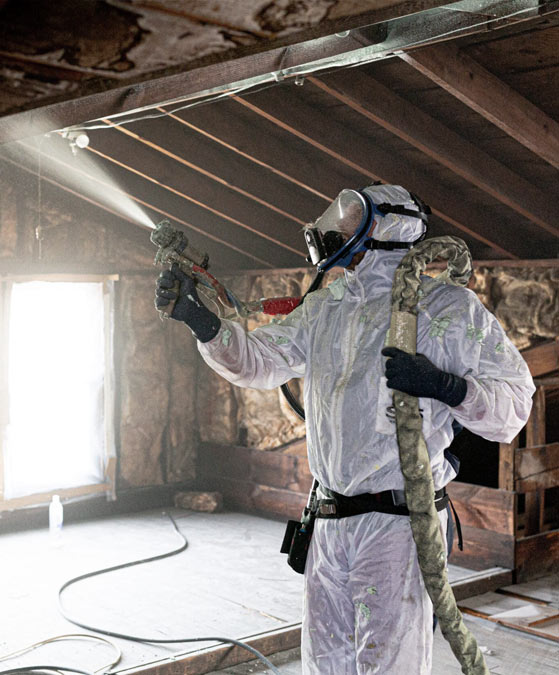
Dense Pack Insulation Services in St. Louis, MO
Schedule a free consultation
Maximizing Home Comfort & Energy Savings with Dense Pack Cellulose Insulation
Does your home feel drafty during freezing Missouri winters, or are your heating and cooling bills higher than expected? Dense pack insulation is a high-density, non-invasive retrofit solution engineered to pack wall cavities tightly, seal off air leaks, and eliminate thermal bridging in existing structures.
How Dense Pack Insulation Works for Retrofit Walls
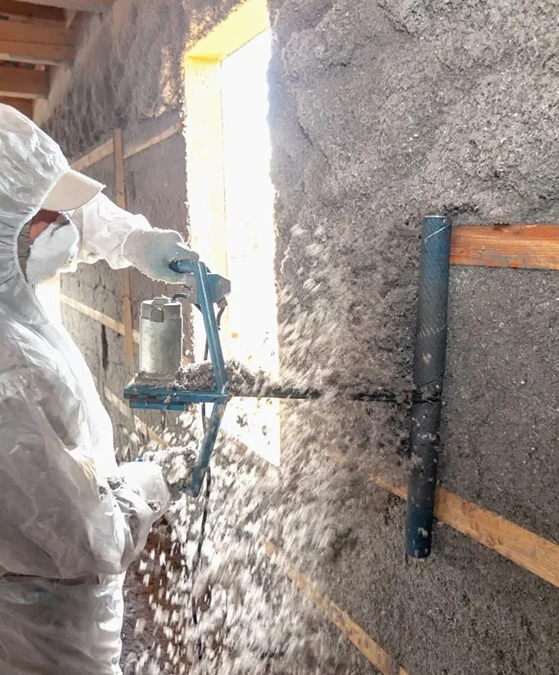
When retrofitting older exterior walls, traditional insulation batts require tearing down drywall or plaster. Dense-pack installation utilizes a “drill and fill” tube system to blow treated cellulose or fiberglass at high pressure (3.5+ lbs per cubic foot). This process creates a dense thermal barrier that fills around wiring, outlet boxes, and framing voids while preventing future material settling. If you have worn-out or contaminated material currently in place, scheduling a professional insulation removal service first ensures your wall cavities are clean and ready for optimal dense packing.
Dense Pack vs. Alternative Insulation Solutions
Choosing the right insulation material depends on your building structure, energy goals, and whether you are retrofitting or building new:
- Dense Pack vs. Spray Foam: While high-density spray foam insulation provides an absolute airtight vapor barrier ideal for unvented attics or crawl spaces, dense pack cellulose offers a cost-effective, non-demolition option for retrofitting enclosed exterior wall cavities.
- Dense Pack vs. Mineral Wool: For interior partition walls requiring maximum acoustic dampening and fire resistance, mineral wool insulation is ideal. However, dense-pack cellulose remains superior for blowing into completely enclosed, existing exterior wall studs.
- Dense Pack vs. Batt & Roll: Standard batt and roll insulation is prone to air gaps if improperly fitted in wall cavities. Dense pack completely conforms around framing obstructions to eliminate cold spots.
- Dense Pack vs. Loose Blown-In: Standard attic blown-in insulation is installed loose across open attic floors, whereas dense pack is pressurized into enclosed cavities to achieve high resistance against air infiltration.
Retrofitting Homes Across St. Louis & Surrounding Areas
Whether you need targeted wall insulation services or a comprehensive attic and wall insulation upgrade, our experienced team serves homeowners and contractors across St. Louis, Kirkwood, and University City, MO.
Not sure which option fits your home’s unique needs? Read our guide on choosing the best insulation for Missouri homes or learn about the key signs your home needs an insulation upgrade. Contact our team today for a free in-home consultation!
What Is Dense Pack Insulation
Dense pack insulation is a specialized high-density installation method where loose-fill material—typically cellulose or fiberglass—is blown under high pressure (3.5+ lbs per cubic foot) into enclosed wall cavities and attics to completely fill voids, seal air leaks, and eliminate thermal bridging without tearing down drywall.
Key Advantages for Older & Retrofit Homes:
- Non-Invasive Installation: Installed via small “drill and fill” access holes, making it the ideal solution for retrofitting enclosed exterior walls in existing homes across St. Louis.
- Superior Air Sealing: Unlike standard batts, dense-packed material tightly conforms around electrical wiring, plumbing lines, and structural framing to stop cold winter drafts.
- Settling & Moisture Resistance: Pressurized installation prevents the insulation from sagging or settling over time, maintaining long-term thermal efficiency and R-value.
- Acoustic & Thermal Comfort: High-density coverage creates a dense sound barrier while significantly enhancing your home’s thermal envelope to reduce heating and cooling bills.
Ready to eliminate drafty walls? Learn more about our professional wall insulation services or schedule a free consultation with Foam Co. today!
Benefits of Dense Pack Insulation

Energy Efficiency
Dense Pack Insulation minimizes air movement within walls, reducing heat loss and improving temperature regulation. Sealing gaps and voids prevents drafts and stabilizes indoor temperatures, reducing reliance on heating and cooling systems.

Enhanced Comfort
With better insulation coverage, your home stays warmer in the winter and cooler in the summer. Dense Pack Insulation creates a consistently comfortable indoor environment by eliminating cold spots and temperature fluctuations.
Noise Reduction
Dense Pack Insulation offers excellent noise reduction by dampening airborne sounds. It reduces noise transmission between rooms and from the outside, making it an ideal choice for homes in noisy neighborhoods or rooms requiring privacy, such as home offices or bedrooms.

Eco-Friendly
Made primarily from recycled materials, Dense Pack Insulation is a sustainable choice. Cellulose insulation, in particular, consists of up to 85% recycled paper and requires less energy than other insulation types, making it a greener alternative.
Fire Resistance
Dense Pack Insulation materials are treated with fire retardants, helping to slow the spread of flames and enhancing home safety.
Dense Pack Insulation Installation Process
Initial Assessment
Your journey with Foam Co starts with a thorough evaluation. Our team will identify insulation needs, inspect existing insulation, and take precise measurements to ensure proper coverage. This step is essential for creating a tailored insulation plan that maximizes efficiency.
Preparing the Space for Double Stud Walls
Before installation begins, we ensure the space is properly prepared. This includes sealing leaks, ensuring proper ventilation, and removing old insulation if necessary. Proper preparation guarantees a smooth and effective installation process.
Installation
Our skilled insulation contractors use specialized equipment to pack insulation material tightly into designated areas. The process includes:
• Blowing the Insulation – Using high-pressure equipment, cellulose or fiberglass insulation is densely packed into the space.
• Ensuring Full Coverage – Our team ensures that all gaps and cavities are filled to prevent settling and maintain long-term effectiveness.
• Final Adjustments – We confirm that the insulation meets the proper density and performance standards.
Post-Installation Inspection
Once installation is complete, we conduct a final inspection to ensure full coverage and optimal insulation performance. This step ensures your home is more energy-efficient, comfortable, and protected from temperature fluctuations.
How Dense Pack Insulation Improves Energy Efficiency
Reducing Heat Loss
Dense Pack Insulation prevents heat from escaping through walls and attics, keeping conditioned air inside and reducing the energy required to maintain comfortable temperatures.
Enhancing HVAC Efficiency
Dense Pack Insulation reduces the strain on HVAC systems by reducing drafts and temperature fluctuations, leading to improved performance and a longer system lifespan.
Lowering Energy Bills
With better insulation coverage, homeowners see noticeable reductions in energy costs. Less energy is required to heat or cool the home, making Dense Pack Insulation a cost-effective investment.

Health and Safety Considerations
Fire Safety
Dense Pack Insulation materials, particularly cellulose, are treated with fire-retardant chemicals, reducing fire risks and enhancing home safety.
Moisture Control
Dense Pack Insulation helps control indoor moisture levels by reducing air infiltration, preventing mold growth, and protecting your home’s structure.
Indoor Air Quality and Air Sealing
High-quality Dense Pack Insulation materials minimize airborne pollutants and allergens, producing cleaner and healthier indoor air.
Frequently Asked Questions
What is dense pack insulation?
Dense pack insulation is a method where loose insulation material, typically cellulose or fiberglass, is blown into wall or ceiling cavities at a higher density than standard loose-fill insulation. The material is packed tightly so it fills gaps and conforms around wiring, pipes, and irregular framing.
This technique is often used in existing homes where wall cavities are already enclosed, because small access holes can be drilled to install insulation without removing large sections of drywall or siding. In many St. Louis homes, dense pack insulation is used to improve insulation levels in older walls that were built with little or no insulation.
Where is dense pack insulation commonly installed in homes?
Dense pack insulation is typically installed in wall cavities, enclosed ceilings, and floor systems where traditional batts cannot easily be placed. It is commonly used in retrofit projects because it can be added through small holes drilled in the wall surface.
In St. Louis homes, dense pack insulation is often installed in:
exterior wall cavities of older houses
enclosed attic slopes or knee walls
floor systems above unconditioned spaces such as garages or crawlspaces
The material expands to fill the cavity and can help reduce air movement through wall assemblies when installed properly.

Is dense pack insulation a good option for older St. Louis homes?
Dense pack insulation is often used in older homes that were built before modern insulation practices were common. Many houses constructed decades ago have empty wall cavities or minimal insulation that no longer performs well.
Because dense pack insulation can be installed through small openings, it allows insulation to be added without removing interior walls or large sections of exterior siding. This makes it a common retrofit solution for improving wall insulation in older St. Louis neighborhoods.
How does dense pack insulation help with comfort in a home?
Dense pack insulation helps improve comfort by reducing heat transfer and limiting air movement through wall cavities. When cavities are filled evenly, the insulation reduces temperature differences between indoor spaces and exterior walls.
In St. Louis, where summers can be hot and humid and winters can be cold, this can help stabilize indoor temperatures and reduce drafts that sometimes occur in under-insulated walls.
How long does dense pack insulation last?
Dense pack insulation is designed to remain stable for many years when installed correctly and kept dry. Because the material is packed tightly into the cavity, it is less likely to settle compared to loose insulation that is installed at lower densities.
Like other insulation types, its performance can be affected if the material becomes wet due to roof leaks, plumbing leaks, or long-term moisture exposure. When kept dry and undisturbed, dense pack insulation can continue performing for decades.
What Our Customers Say...




Housecall Pro
Why Choose Foam Co.?
Foam Co. stands out as your top choice for professional insulation services in St. Peters, MO, Jackson, MO, and the St. Louis metro area. We offer unparalleled convenience, professionalism, and expertise.
You can say goodbye to waiting around all day for technicians with fixed appointments tailored to your schedule. Our commitment to respecting your home means no mess is left behind after installation.
We bring a wealth of knowledge to every job, ensuring optimal results with extensive experience in both commercial and residential insulation.
Trust our team of insulation contractors in St. Louis, MO, to guide and assist in selecting professional insulation services for your needs and budget, delivering peace of mind and satisfaction with every project.