
When it comes to insulating your Missouri home, there’s no one-size-fits-all solution. The best insulation depends on several factors—your home’s age, layout, budget, and Missouri’s changing seasons. From icy winters in St. Louis to humid summers in Cape Girardeau, the right insulation choice makes all the difference in comfort, energy efficiency, and long-term savings.
In this guide, we’ll explore the best types of home insulation for Missouri homes, comparing features, insulation cost, and benefits. Whether you’re upgrading your attic insulation, sealing crawl spaces, or building from the ground up, this breakdown will help you make an informed decision.
Why Insulation Matters in Missouri
Missouri homes experience temperature swings throughout the year—from subzero winters to triple-digit summers. Without proper insulation and air sealing, your HVAC system works overtime, leading to skyrocketing energy bills and uncomfortable indoor conditions due to heat transfer and cold air infiltration.
Key Benefits of Quality Insulation:
- Energy Efficiency: Reduce heating and cooling costs by up to 15%, according to the Environmental Protection Agency (EPA), by using superior insulation and sealing air leaks effectively.
- Comfort: Maintain consistent temperatures year-round by preventing air leakage through wall studs, floor joists, door frames, and unfinished attic floors.
- Moisture Control: Proper installation of vapor barriers alongside insulation materials like foam board or blown in cellulose insulation helps prevent mold and mildew in Missouri’s humid seasons.
- Noise Reduction: Improve indoor acoustics with dense insulation materials such as mineral wool or dense pack cellulose.
- Environmental Impact: Lower your carbon footprint through reduced energy usage by sealing gaps and using recycled paper-based loose fill insulation or other moisture resistant options.
Top Insulation Types for Missouri Homes
1. Spray Foam Insulation
Closed Cell Spray Foam
Closed cell spray foam is a high-density insulation material with a high insulating value, providing an excellent air and moisture barrier. It has one of the highest R-values per inch (around 6.5 to 7.0) and adds structural strength to walls, making it ideal for reinforcing structural elements.
Best for:
- Exterior walls
- Foundation walls
- Basements
- Crawl spaces
- Metal buildings and pole barns
Pros:
- Moisture barrier
- Superior energy savings
- Long lifespan
- Requires professional installation
Cons:
- Higher upfront cost
- Not ideal for soundproofing
Open Cell Spray Foam
Open cell foam expands more than closed cell and is ideal for hard-to-reach spaces. Though it has a lower R-value (around 3.5 to 4.0), it offers superior air sealing and is budget-friendly.
Best for:
- Attics
- Interior walls
- Ceilings
Pros:
- Affordable
- Excellent air sealing
- Noise reduction
Cons:
- Not a moisture barrier
- Lower R-value
- Requires professional installation
2. Batt & Roll Insulation
Batt and roll insulation, often made from fiberglass insulation or mineral wool, is one of the most common and affordable types of insulation. Pre-cut to fit between wall studs and floor joists, it’s effective when properly installed.
Best for:
- Wall insulation in unfinished walls
- Attics
- Floors
Pros:
- Cost-effective
- Easy to install (can be DIY)
- Fire-resistant options available (e.g., mineral wool)
Cons:
- Prone to gaps if not installed properly
- Less effective in irregular or obstructed spaces
3. Blow-In Insulation
Blown-in insulation (usually fiberglass or cellulose) is ideal for adding insulation to existing structures. It fills gaps and cavities well, offering solid energy performance.
Best for:
- Attics
- Wall cavities
- Retrofits
Pros:
- Covers hard-to-reach areas
- Eco-friendly options (e.g., cellulose)
- Fast installation
Cons:
- May settle over time
- Requires proper air sealing for max efficiency
4. Dense Pack Cellulose Insulation
Dense pack cellulose is blown at a higher density than standard cellulose, filling wall cavities more completely. It’s excellent for reducing air infiltration.
Best for:
- Closed wall cavities
- Retrofit jobs
Pros:
- High R-value for retrofits
- Great for soundproofing
- Made from recycled materials
Cons:
- Needs expert installation
- Susceptible to moisture if not properly sealed
5. Mineral Wool Insulation
Mineral wool (also known as rock wool) is crafted from natural stone and offers excellent fire resistance, thermal performance, and soundproofing.
Best for:
- Exterior walls
- Ceilings and floors
- Areas needing fire-rated assemblies
Pros:
- Water-resistant
- Fire-resistant up to 1,800°F
- Excellent sound control
Cons:
- Higher material cost
- Heavier than fiberglass
How to Choose the Best Insulation for Your Home
Consider Your Goals:
- Maximize energy savings: Choose closed cell spray foam or mineral wool insulation for superior thermal performance and moisture resistance.
- Stay on budget: Opt for open cell spray foam or batt insulation, which offer good insulation value at a lower cost.
- Improve soundproofing: Use open cell spray foam or dense pack cellulose insulation to reduce noise transmission effectively.
- Prevent moisture and mold: Closed cell spray foam and mineral wool provide excellent moisture barriers and mold resistance.
Understand R-Values and Installation Recommendations:
R-value measures an insulation material’s resistance to heat transfer—the higher the R-value, the better the insulation’s thermal performance. In Missouri’s climate zone 4, the U.S. Department of Energy recommends the following R-values for optimal energy efficiency and comfort:
- Attics: R-38 to R-60, typically installed as loose fill insulation or batt insulation over the attic floor, with additional insulation added as needed.
- Walls: R-13 to R-21, commonly installed in wall cavities during new construction or as blown-in insulation in existing walls.
- Floors: R-25 to R-30, often installed between floor joists or over crawl spaces to reduce heat loss.
Additional Considerations:
- Existing Insulation: Evaluate your current insulation levels before adding additional insulation to avoid over-insulating or creating moisture issues.
- Air Sealing: Properly seal air leaks around door frames, exterior siding, and other structural elements before installing insulation to maximize energy savings.
- Vapor Barrier: Use a vapor barrier or moisture-resistant insulation materials like foam board or closed cell foam core to prevent condensation and maintain fire safety.
- Professional Installation: Consider hiring an energy auditor or certified installer to assess your home and ensure proper installation, especially for spray foam and foam board insulation.
By understanding how much insulation your home needs and selecting the right materials with proper installation techniques, you can save energy, reduce cooling costs, and improve overall comfort year-round.
Missouri Climate & Regional Factors
Missouri’s climate, particularly in cities like St. Louis and Cape Girardeau, features significant humidity, wide temperature swings, and frequent storm threats throughout the seasons. These regional factors make moisture control a critical concern for home insulation. Closed cell spray foam and mineral wool insulation stand out as top choices due to their superior moisture resistance, high insulating value, and excellent fire resistance.
In rural areas with metal buildings, pole barns, and detached garages, spray foam insulation offers added benefits by preventing condensation buildup, reducing noise transmission, and maintaining comfortable, usable spaces year-round. Its ability to provide continuous insulation and seal air leaks effectively helps protect structures against Missouri’s challenging weather conditions.
Why Choose Foam Co?
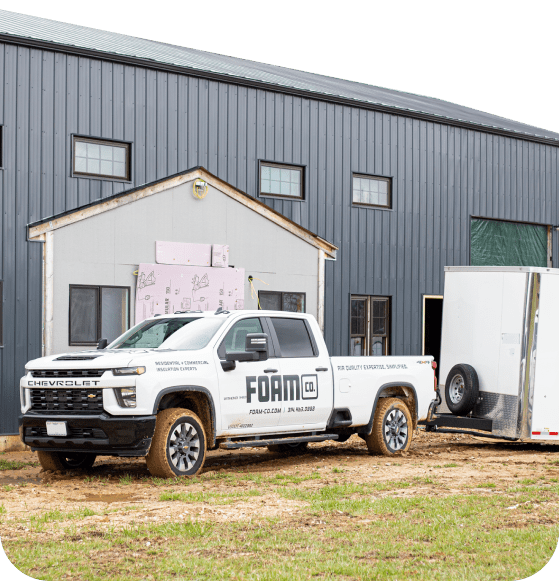
At Foam Co, we specialize in customized insulation solutions designed for Missouri homes. Whether you’re retrofitting an attic or insulating a new build, we offer:
- Certified insulation experts
- Free home consultations
- Full range of premium materials
- Energy-efficient, code-compliant solutions
We serve homes across St. Louis, Cape Girardeau, and the surrounding regions. Our proven track record and quality-first approach ensure every job is done right the first time.
Need Help Choosing the Right Insulation?
Don’t leave your comfort to chance. Get expert guidance on the best insulation system for your home, energy goals, and budget.
Contact Foam Co Today
- Call: 314.916.4138
Experience the Foam Co difference—insulation solutions built for Missouri’s climate and your family’s comfort.