
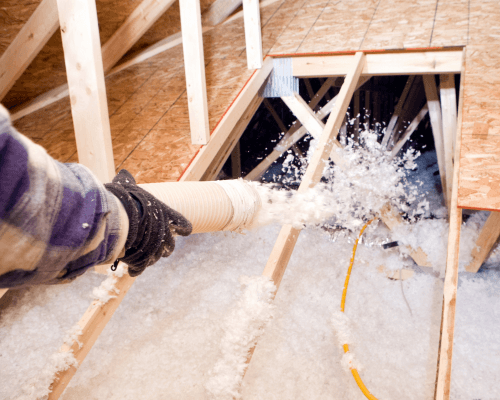
Insulation replacement is something we don’t always think about, but it’s more important than many people realize. When a house starts feeling too cold or too hot, we often blame the weather. But the real problem might be inside the walls, in the attic, or even under the floors. Old insulation can stop working well over time. That means your house might not keep warm air in during winter or cool air in during summer.
At Foam Co., we’ve helped many families who didn’t know their homes were losing energy. They saw higher energy bills or felt cold spots in certain rooms. Some noticed drafts, even when windows and doors were closed. These are signs that it might be time for an upgrade. If you’re asking, “What are the signs that my home needs insulation replacement or upgrade?”—we’ll help you understand each one, step by step.
What Is Insulation and Why It Matters
Why Homes Need Insulation
Insulation helps keep your house warm in the winter and cool in the summer. It works like a blanket for your home. It stops hot or cold air from getting in or out. That means you use less energy to stay comfortable every day.
So, if your home doesn’t have good insulation, your heater or air conditioner has to work much harder. This can make your energy bills go up. In other words, poor insulation wastes money and makes your home less cozy.
Why Insulation Replacement Is Important
Over time, insulation can wear out or stop working well. When that happens, it might be time to think about insulation replacement. Replacing old or damaged insulation helps your home feel better and saves energy.
Also, home insulation replacement can improve your air quality and keep noise out. It’s one of the best ways to make your home more comfortable. If you’re near the area, you can check out our full insulation services in St. Louis to see how we can help.
Signs You Need Insulation Replacement
How Do We Know When It’s Time?
When our home feels uncomfortable, it could mean something is wrong with the insulation. Over time, it can break down, fall apart, or stop working well. That’s why knowing the signs of needed insulation replacement is so important. These warning signs are easy to miss, but they can cause bigger problems if ignored.
We’ve helped many homeowners solve these same issues. Below are the most common signs that tell us it’s time to update the insulation. Each one is simple to spot and easy to understand.
Higher Energy Bills
If your energy bills keep going up for no clear reason, your home may be losing heat or cool air. This means your heater or air conditioner has to work harder, which costs more money. So, poor insulation could be the problem.
Uneven Temperatures in Rooms
Sometimes, one room feels warm while another feels cold. This happens when insulation works in some areas but not others. In other words, the air isn’t staying where it should.
Cold Drafts Near Windows or Doors
If you feel air moving when windows and doors are closed, that’s a draft. It usually means there are gaps in your walls or ceilings. Also, insulation may have slipped or thinned out over time.
Moisture, Mold, or Wet Spots
Wet spots on walls, ceilings, or floors can mean water got inside. Wet insulation doesn’t work right. In addition, it can grow mold, which can be bad for your health.
Pests in Walls or Attic
Rodents and bugs like to nest in damaged insulation. If you hear scratching in the walls or find droppings in the attic, your insulation may be old or chewed up. For instance, fiberglass insulation is easy for pests to tear apart.
Cold Walls and Ceilings
When walls or ceilings feel cold to the touch, your insulation may not be doing its job. Above all, insulation should keep warm air inside during winter and block heat in summer.
Ice Dams on the Roof
Ice on your roof can form when heat escapes through the attic. This melts snow, which then refreezes at the roof’s edge. After that, water can build up and damage your home. Better attic insulation can stop this.
More Allergy or Breathing Problems
If someone in your home is sneezing more or having trouble breathing, old insulation could be part of the problem. Dust, mold, or pests can affect air quality. So, replacing it can help you feel better.
Outside Noises Sound Loud Indoors
Insulation also helps keep sound out. If you hear dogs, traffic, or people outside more than usual, you might need home insulation replacement. It makes your home quieter and more peaceful.
Insulation Looks Loose, Thin, or Falling
If you see insulation that’s sagging or hanging out of place, it’s not working right. In addition, if it looks wet or dirty, it needs to be replaced soon.
Want to Know More?
If you’re still unsure, our FAQ page can answer more questions. You’ll learn about insulation types, how long they last, and when to replace them.
Benefits of Replacing Home Insulation
When we invest in home insulation replacement, we do more than just add material to our walls or attic. We make our homes feel better, work better, and cost less to run. The change may not always be something we can see, but it’s something we can feel every day.
Below are some simple, powerful reasons why updating your insulation is one of the smartest choices you can make as a homeowner.
Lower Energy Bills
When our home keeps the right temperature inside, our heater and air conditioner don’t have to work as hard. That means we use less energy. So, less energy means lower bills—and more money in our pockets each month.
Better Air Quality
Good insulation helps stop dust, mold, and pollen from getting into the air we breathe. In other words, it acts like a shield for our home. After that, we breathe cleaner, fresher air—and that helps our family feel healthier.
Steady Temperatures in Every Room
We all want every room to feel just right—not too hot and not too cold. With proper insulation, warm or cool air doesn’t escape as easily. For instance, your living room won’t feel cozy while your bedroom stays chilly. Everything stays even.
Higher Home Value
Many buyers today look for homes that save energy and stay comfortable year-round. Upgrading your insulation can make your home more appealing. Also, it shows that you’ve taken care of it. This can help your home sell faster and at a better price.
Long-Term Comfort and Savings
The benefits of insulation replacement don’t just last for a season—they last for years. Above all, it’s an investment that keeps giving back in comfort, savings, and peace of mind.
If you’re thinking about the best materials for your home, take a look at our full range of insulation products. We offer smart, simple solutions that work for every type of home.
Common Myths About Insulation Replacement
“Newer Homes Don’t Need It”
Some people think that if their house is new, the insulation must be perfect. That’s not always true. In other words, even new homes can have weak spots or rushed installs.
So, if a new house still feels too cold or hot, it may still need a home insulation replacement to fix the problem.
“It’s Too Expensive”
Many people believe it costs too much to replace insulation. But the truth is, you save more over time. After that, your energy bills go down, and comfort goes up.
Also, we can help you find the best option for your budget without cutting corners on quality.
“It Only Matters in the Winter”
Insulation is not just for cold months. It helps keep cool air in during hot days too. For instance, good insulation keeps your home comfortable all year long.
Above all, it works both ways—keeping warmth in during winter and heat out during summer.
“Old Insulation Still Works Fine”
Just because insulation is there doesn’t mean it’s doing the job. It can settle, wear out, or hold moisture over time. So, if it’s old, it might need a check.
If we find damage or mold, a full insulation replacement might be the best choice.
“It’s a DIY Job Anyone Can Do”
Some folks try to handle insulation on their own. But without the right tools or safety steps, it can be risky. In addition, poor installation leads to poor results.
That’s why it’s smart to let trained pros handle it the right way from the start.
Key Takeaway
Taking care of your home means knowing when something needs to be fixed or updated. Insulation replacement is one of those things that often gets ignored until it causes problems. So, if your energy bills are high, rooms feel uneven, or you notice drafts and moisture, it might be time for a closer look.
In addition, replacing old insulation can make your home feel more comfortable, cleaner, and quieter. It also helps you save money every month. If you’re ready to take the next step, don’t wait—contact us today for a free insulation quote and expert help.
FAQs
How Do I Know If My Insulation Needs to Be Replaced?
If your home feels too cold in winter or too hot in summer, something may be wrong. For instance, rising energy bills or cold spots are clear signs. Also, look for pests, moisture, or drafts. These usually mean your insulation isn’t doing its job anymore.
How Often Should I Replace My Insulation?
Most insulation lasts between 15 and 20 years. After that, it may lose its strength and stop working properly. So, it’s smart to check it regularly. In other words, don’t wait for problems to appear—an inspection can catch small issues before they grow.
Can I Do It Myself or Should I Call a Pro?
Some small jobs might seem simple, but it’s easy to miss key steps. Also, removing or installing insulation the wrong way can cause bigger problems. That’s why we always suggest getting help from trained experts to make sure it’s done right and safely.
What Are the Benefits of Replacing Old Insulation?
New insulation makes your home feel better and saves you money every month. In addition, it helps keep your air clean and your space quiet. Above all, a full insulation replacement keeps your home working the way it should, all year long.
What Areas in My Home Should Be Insulated?
The most common spots are the attic, walls, crawl space, and floors. Each one helps trap heat or cool air inside your home. So, if any of these areas are missing insulation or have damage, your home won’t stay as comfortable as it could.