
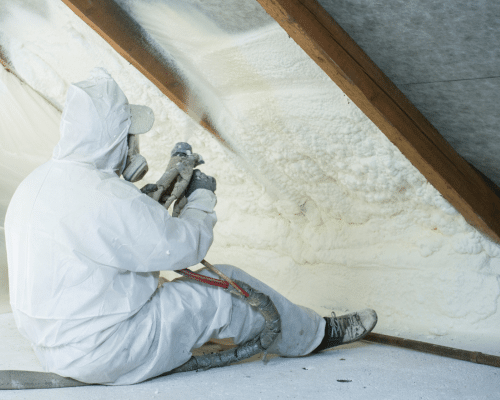
If you’re looking to cut your home energy bills in Missouri, spray foam insulation might be the single most powerful upgrade you can make. Spray foam insulation creates a barrier against outside elements, helping to maintain indoor comfort. From hot summers in Cape Girardeau to freezing winters in St. Louis, Missouri’s temperature swings are no joke.
Fortunately, spray foam helps combat heat transfer, air leakage, and moisture intrusion—all of which drive up energy costs. In this guide, we’ll show you exactly how spray foam insulation delivers energy savings, comfort, and lasting value. Spray foam insulation can significantly improve a building’s energy performance by reducing energy loss.
Why Energy Bills Are So High in Missouri Homes
Homes in Missouri experience significant seasonal extremes. That means your HVAC system works hard year-round, especially if your home isn’t properly sealed or insulated. Common culprits for energy loss include:
- Air leaks in attics, crawl spaces, rim joists, and wall penetrations.
- Old or poorly installed insulation that allows heat to escape or enter.
- Uninsulated basements or garages that transfer outside temperatures into living areas.
Uncontrolled air movement through gaps and cracks leads to energy loss and discomfort.
According to the U.S. Department of Energy, heating and cooling account for nearly 50% of total residential energy use. During winter, cold air can easily enter homes with poor insulation, increasing heating needs. Without the right insulation system, you’re losing money month after month, and these issues contribute to high energy bills.
Introduction to Spray Foam Insulation
Spray foam insulation is a modern, energy-efficient solution designed to help homeowners save money on energy bills while creating a more comfortable living environment. Unlike traditional materials, spray foam expands to fill every nook and cranny, effectively sealing air leaks and preventing unwanted air infiltration. This powerful air barrier helps minimize heat loss in winter and keeps cool air inside during the summer, reducing the strain on your HVAC system.
As a result, your home becomes more energy efficient, your energy consumption drops, and you enjoy noticeable cost savings on your monthly energy bills. With its superior insulation properties and ability to create a tightly sealed building envelope, spray foam insulation is an excellent choice for anyone looking to lower energy costs and maintain a consistently comfortable house.
Spray Foam vs. Traditional Insulation: What’s the Difference?
Traditional insulation, such as fiberglass insulation (like fiberglass batts or blown-in cellulose), works primarily by slowing heat transfer. Effective insulation is key to reducing energy loss. But spray foam insulation goes further by also sealing air leaks, preventing moisture infiltration, and filling hard-to-reach cavities. When compared to traditional options like fiberglass insulation, spray foam offers superior air sealing and moisture control.
Proper insulation is essential for maximizing energy savings and maintaining a comfortable indoor environment.
There are two main types:
1. Closed Cell Spray Foam
- R-value: ~6.5–7.0 per inch
- Best for: Exterior walls, basements, crawl spaces, and attics
- Benefit: Adds structural strength and forms a moisture barrier
2. Open Cell Spray Foam
- R-value: ~3.5–4.0 per inch
- Best for: Interior walls and attic spaces
- Benefit: Expands more than closed cell, excellent for air sealing and soundproofing
Both types drastically reduce air leakage, which is one of the main contributors to energy waste.
How Spray Foam Cuts Energy Costs
✅ 1. Seals Air Leaks Effectively
Spray foam acts as both insulation and an air sealant, expanding upon application to fill cracks, seams, and penetrations. It is highly effective at sealing gaps, cracks, and penetrations throughout a building. Spray foam reaches into nooks and crannies that other insulation types can’t. This creates an airtight barrier that stops conditioned air from escaping and unconditioned air from entering.
Result:
- HVAC runs less often
- Less heat loss in winter
- Reduced air infiltration during hot, humid summers
✅ 2. Provides a Higher R-Value
R-value is a measure of resistance to heat flow. The higher the R-value, the better the insulation. Spray foam offers higher R-values per inch than fiberglass or cellulose, meaning you need less of it to achieve optimal thermal performance.
Result:
- Reduced heat transfer through walls and roofs by creating a continuous insulation layer when spray foam is applied to the roof, which improves energy efficiency
- Improved indoor temperature control
- Lower heating and cooling demand
✅ 3. Prevents Moisture Intrusion
Especially with closed cell spray foam, you get a built-in vapor barrier. This helps reduce humidity levels in the home, preventing mold and mildew that could damage insulation and structure.
Result:
- Less strain on HVAC during humid conditions
- Longer lifespan for building materials
✅ 4. Minimizes Temperature Fluctuations
With traditional insulation, certain rooms can still feel too hot or too cold due to gaps and uneven insulation. Spray foam eliminates those inconsistencies.
Result:
- Balanced indoor climate
- Fewer thermostat adjustments
- Enhanced comfort year-round
A well insulated home maintains consistent temperatures and maximizes energy savings.
Enhancing Existing Insulation with Spray Foam
If your home already has insulation but you’re still experiencing drafts or high energy costs, spray foam insulation can be the perfect upgrade. By applying spray foam over or alongside existing insulation, you can seal gaps, cracks, and other sources of air leaks that traditional materials often miss. This is especially effective in areas like the attic, crawl space insulation St. louis, and exterior walls, where air leakage and heat loss are most common.
Spray foam insulation can also be used to seal around windows and doors, further reducing air infiltration and boosting your home’s overall energy efficiency. By enhancing your current insulation with spray foam, you can significantly cut down on energy costs, improve comfort, and make your home more efficient year-round. For homeowners looking to improve efficiency where it matters most, our attic insulation St. Louis service offers a tailored approach that maximizes comfort and savings.
Factors Affecting Insulation Performance
The effectiveness of spray foam insulation depends on several important factors. The type and quality of foam insulation used, as well as the skill of the installation, play a major role in how well your home is protected from air leaks and air infiltration. Even the best spray foam can underperform if gaps and cracks in the building envelope aren’t properly sealed before installation.
Local climate and weather conditions also impact insulation performance, as extreme temperatures and humidity can affect the foam’s R-value and air barrier capabilities. To ensure long-lasting energy savings, it’s important to have regular inspections and maintenance, making sure your spray foam insulation continues to provide a strong air barrier and optimal energy efficiency for your home.
Improving Home Comfort Year-Round
Spray foam insulation does more than just lower your energy bills—it also helps create a comfortable, energy efficient living space in every season. By forming a continuous air barrier and minimizing air infiltration, spray foam insulation keeps warm air inside during the winter and blocks out heat during the summer. This means your home maintains a comfortable temperature with less reliance on your heating and cooling systems, leading to lower heating and cooling costs.
In addition to temperature control, spray foam insulation can reduce outside noise and improve indoor air quality, making your home quieter and healthier. With its ability to deliver cost savings, energy efficiency, and year-round comfort, spray foam insulation is a smart investment for any homeowner looking to enhance their living space.
Where to Use Spray Foam for Maximum Efficiency
If you’re looking to save the most money on energy, here are the best areas of your home to insulate:
- Attics: Insulating your attic space is critical to prevent rising heat loss in winter and heat gain in summer.
- Basements & Crawl Spaces: Spray foam insulation helps prevent outside air from entering these areas, blocking cold drafts and moisture from the ground.
- Exterior Walls: Maintain a thermal barrier against outdoor temperatures.
- Rim Joists & Floor Joists: Often overlooked but major air leakage points.
Proper installation in these areas reduces the workload on your ac unit, leading to additional energy savings and maximum return on investment.
Longevity = Long-Term Savings
Unlike fiberglass or cellulose insulation, spray foam doesn’t sag, compress, or settle over time. It maintains its structure and R-value for 20–30+ years, meaning you continue to save money on energy bills for decades without the need for re-insulation.
Maintaining your spray foam insulation ensures continued energy savings and comfort.
Bonus:
- Fewer maintenance calls for HVAC
- Less reliance on space heaters or fans
- Better resale value due to energy efficiency features
Spray Foam: A Smart Investment for Missouri Homeowners
When you insulate with spray foam, you’re not just saving on energy bills. You’re also gaining:
- Improved indoor air quality
- Moisture protection and mold prevention
- Reduced carbon footprint
- Increased home value and market appeal
Whether you’re retrofitting an existing home or building new, spray foam insulation is a long-term solution built to perform. It is also a key step toward achieving an energy efficient house.
Ready to Start Saving?
Stop wasting energy. Insulate smarter with Foam Co—Missouri’s trusted spray foam insulation experts.